There's a particular kind of tiredness that sleep doesn't fix. You know the one — you wake up after eight hours and feel exactly as depleted as when you went to bed. That's not a sleep problem. That's a stillness problem.
We've built an entire culture around the idea that rest is what happens between periods of doing. A gap. A pause. Something to get through so you can get back to the real stuff. But this fundamentally misunderstands what rest actually is — and what it's for.
"Stillness isn't the absence of movement. It's the presence of something deeper."
Genuine stillness is not passive. It's the state in which the nervous system processes what it's been through, in which the mind integrates experience into meaning, in which the body repairs itself at a cellular level. It requires conditions. It requires permission. And in a world that rewards constant output, most people never actually give themselves either.
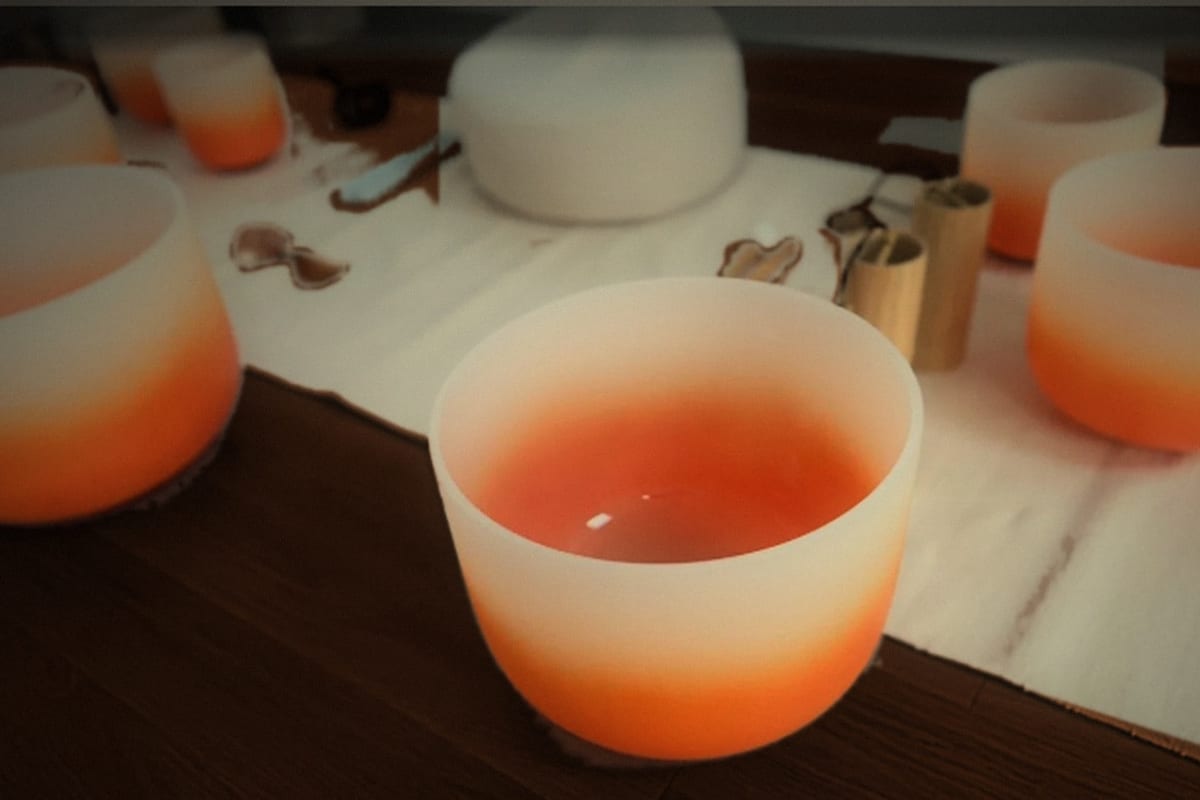
At The Shift, we design stillness into every retreat deliberately. Not as filler between the 'real' sessions, but as a session in itself. The guided rest periods, the time by the lake, the silence after a sound bath — these aren't incidental. They're where a significant portion of the transformation actually happens.
The lake helps. There's something about water that makes stillness feel less like failure. You sit by it and the mind, almost involuntarily, begins to slow. The Japanese call it 'mizu no kokoro' — mind like water. Not empty, but undisturbed. Responsive rather than reactive.
If you're someone who finds stillness uncomfortable — who reaches for the phone the moment there's a gap — that discomfort is worth paying attention to. It's usually not boredom. It's proximity to something you've been moving away from.
The invitation is simple: stop. Not forever. Just for long enough to find out what's there.